About Us

THE HISTORY
THAT INSPIRES THE FUTURE
About
The PILLARS
that ARE THE ESSENCE OF Bombarda
ABOUT BOMBARDA
WHAT MAKES BOMBARDA UNIQUE?
In the heart of Porto, the Miguel Bombarda neighbourhood is known as the ‘Quarteirão das Artes’ (Arts Quarter) or the city's creative hub.
It was founded in the 19th century as a bourgeois residential neighbourhood, with mansions and stately homes. With industrialisation, it welcomed factories and workshops, but the abandonment of many of these in the 20th century led to a period of stagnation.
It was in the 1990s that artists and gallery owners brought life back to this area, converting old workshops and commercial spaces into galleries, studios and places of cultural enjoyment. The emergence of new shops, cafés and restaurants reinforced this dynamic, while the spirit of community and associationism drove the creation of collective projects and events that shaped the unique identity of the neighbourhood.
Today, Bombarda is a vibrant and multifaceted area, where more than 200 establishments — from art to design, commerce to restaurants — coexist with residents, visitors and a strong community linked to culture.
It is a place that preserves its identity and renews itself every day, striking a balance between tradition, experimentation and contemporaneity.
The Bombarda Quarter is currently bounded by Miguel Bombarda, Rosário, Breiner, Boa Nova, Adolfo Casais Monteiro, D. Manuel II, Maternidade and Largo da Maternidade streets.
Bombarda Digital
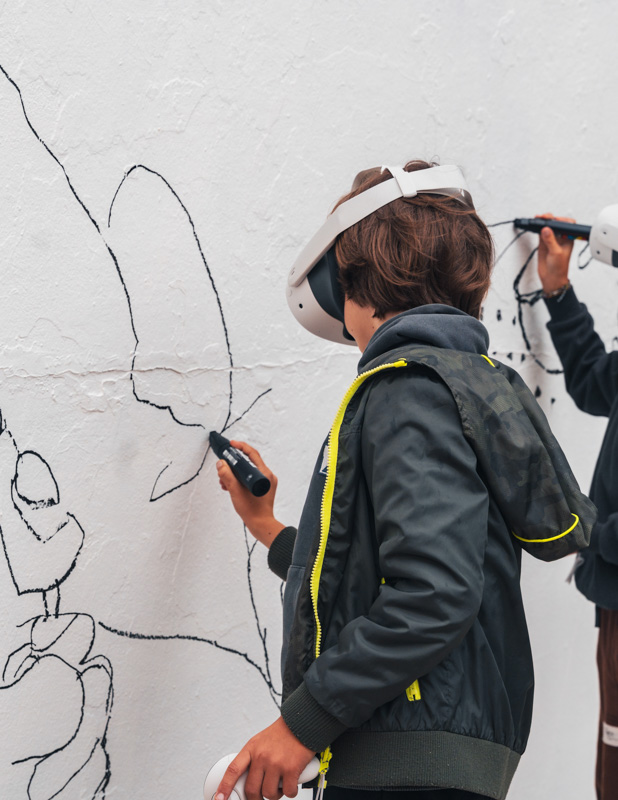
Launched in 2023, Bombarda Digital is the digital extension of a creative and vibrant commercial district. Part of the PRR – Digital Commercial Districts programme, Bombarda Digital is led by the Municipality of Porto, in partnership with Porto Digital, Associação Quarteirão Criativo and AHRESP.
The initiative interconnects commerce, culture and innovation: it promotes the digital transition of local businesses, creates new ways to discover Bombarda and involves the community in collective experiences. More than a modernisation project, Bombarda Digital consolidates the neighbourhood into a living laboratory of urban innovation, reinforcing its identity and projecting it to the world.
Commitment
• To value the cultural and creative identity of the area.
• To boost local commerce through innovation and sustainability.
• To build bridges between the community, the city and the world.
Bombarda Digital and the SDGs
In line with the UN Sustainable Development Goals, the project contributes to:
SDG 8 — Decent work and economic growth — support for local SMEs and entrepreneurs.
SDG 9 — Industry, innovation and infrastructure — next-generation connectivity (fibre, 5G, Wi-Fi 6).
SDG 11 — Sustainable cities and communities — an inclusive and accessible neighbourhood for all.
SDG 16 — Peace, justice and strong institutions — citizen participation through consultation and co-creation.
>>> Project File info
https://www.portodigital.pt/wp-content/uploads/2024/09/FichaWeb_Bombarda.pdf
or generate QRCode
BEHIND THE SCENES AT BOMBARDA
BEHIND THE SCENES AT BOMBARDA
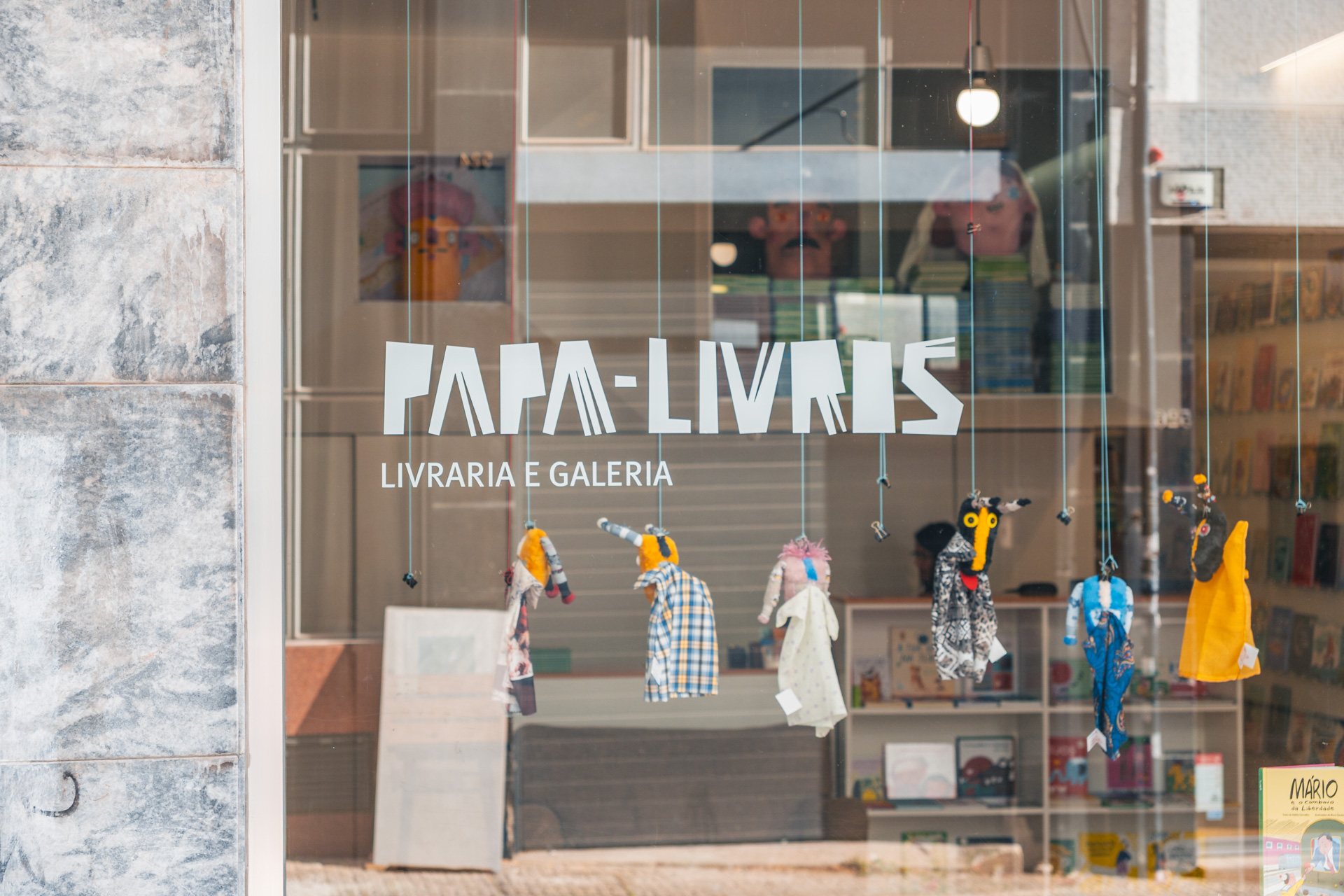
Adélia Carvalho - Creatives In...Bombarda
1. Identificação
1.1. Nome completo: Maria Adélia Moreira Carvalho
1.2. Disciplina criativa: Escrita
Breve Apresentação (Mini-biografia)
Adélia Carvalho nasceu em Vila Cova, uma pequena aldeia de Penafiel, no distrito do Porto. A mais nova de sete irmãs, cresceu encantada pelas histórias contadas pelo avô materno — o primeiro a despertar nela o amor pela imaginação e pelas palavras.
Na ausência frequente da mãe, que trabalhava fora de casa, encontrou companhia nos animais que a seguiam — gatos e cães que muitas vezes escondia e alimentava em segredo.
Licenciada em Educação de Infância pela Escola Superior de Educação do Porto, dedicou-se ao universo das palavras e da infância. Atualmente, é autora de mais de trinta livros infantojuvenis e programadora de festivais literários.
Co-fundou a editora Tcharan, juntamente com a ilustradora Marta Madureira, e abriu a Livraria Papa-Livros no Porto — um espaço de encontro entre leitores, autores e histórias.
Os seus livros estão traduzidos em vários países, incluindo Itália, Alemanha, Espanha, Colômbia, México e Peru, e é presença habitual em feiras e festivais literários, tanto em Portugal como no estrangeiro.
Portefólio / Exemplos de Trabalho

Título: Era uma vez um Cão
- Texto: Adélia Carvalho
- Ilustração: João Vaz de Carvalho
- Editora: Tcharan
- Louças: Vista Alegre
Título: O que é a Família?
- Texto: Adélia Carvalho
- Ilustração: Gabriela Araújo
- Editora: Tcharan
Título: Mário e o Comboio da Liberdade
- Texto: Adélia Carvalho
- Ilustração: Nuno Saraiva
- Editora: Tcharan
Título: O Sol à Noite Não Desenha
- Texto: Adélia Carvalho
- Ilustração: Pierre Pratt
- Editora: Tcharan

Título: Um Principezinho
- Texto: Adélia Carvalho
- Ilustração: Guridi
- Editora: Tcharan
Links para portefólios externos
🌐 https://www.tcharaneditora.pt/
🌐 https://papalivros.pt/
Instagram:
Mini-entrevista
P: Como, quando e em que contexto surgiu a livraria Papa-Livros e a editora Tcharan?
R: Em novembro de 2008, após anos a lecionar em várias escolas, decidi abrir um espaço onde a literatura pudesse crescer juntamente com os leitores. Assim nasceu, no Porto, a Papa-Livros — uma livraria dedicada ao público infantil e juvenil.
A inauguração contou com uma madrinha muito especial: a escritora Matilde Rosa Araújo, cuja presença marcou o início de um projeto profundamente ligado ao livro ilustrado.
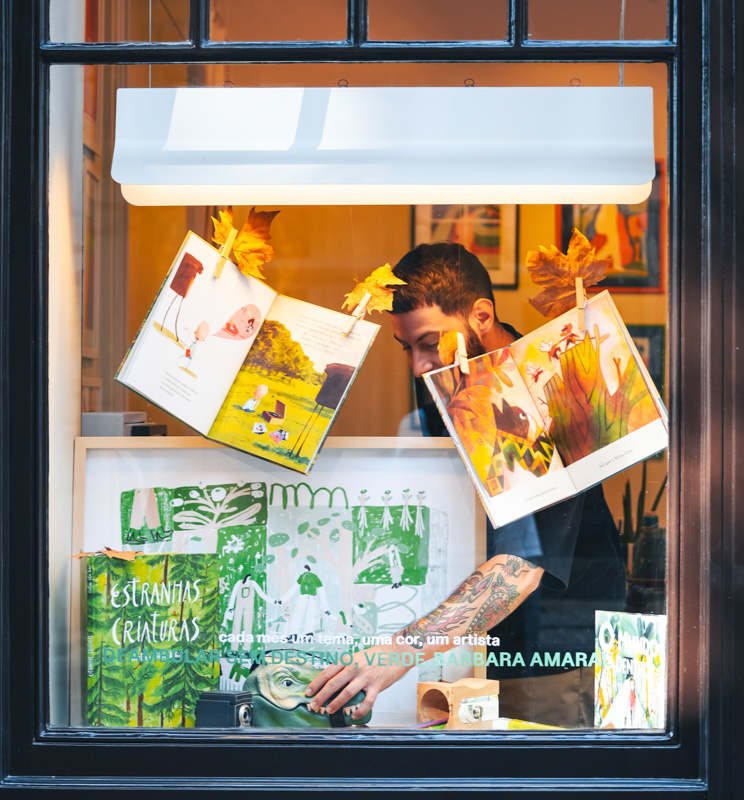
Desde então, a livraria tem sido palco de lançamentos, apresentações e exposições de ilustração, sempre com a mesma missão: acreditar que a leitura é um portal para a imaginação e proporcionar aos leitores — pequenos e grandes — a magia de cada página.
Dois anos depois, em 2010, surgiu a Tcharan — uma editora focada sobretudo no álbum ilustrado e na literatura infantojuvenil. O primeiro livro publicado foi A Crocodila Mandona e, desde então, a lista só tem crescido.
O nome "Tcharan" surgiu de forma espontânea, entre amigos, ideias e o acaso. Foi lançado um desafio para encontrar um nome e alguém disse, em tom de brincadeira: "Tcharan!". Depois de muitas sugestões, percebi que a resposta estava ali desde o início — na própria palavra que deu início ao jogo.
"Tcharan" ficou, e continua a refletir o espírito com que tudo começou: o espanto, a descoberta e a alegria do mundo dos livros.
P: De todos os teus livros, qual é o que tens mais perto do coração, e porquê?
R: A Crocodila Mandona — foi o livro que deu origem a tudo: a vontade de criar uma editora com a Marta Madureira e de continuar a contar histórias com liberdade e imaginação. Abriu a primeira porta… e muitas outras vieram a seguir.
P: Qual é o maior privilégio que a tua profissão te traz?
R: O maior privilégio é o de nunca estagnar. O mundo dos livros e da cultura mantém-me sempre em movimento — a conhecer pessoas que admiro (e outras que passo a admirar), a partilhar saberes, a aprender todos os dias.
E, no meio de tudo isso, fazer novos amigos é o que dá força e sentido ao meu caminho.
P: Conta-nos o que costumas ter em cima da tua secretária num dia perfeitamente normal.
R: Livros — sempre uma pilha de livros que vai mudando com os dias.
Um copo cheio de canetas e lápis, o meu caderno Moleskine com notas e listas de tarefas, uma caneca de café ou chá, o computador, o telemóvel e, claro, a minha máquina de calcular.
Também há maçãs e frutos secos — cajus, nozes… pequenas reservas de energia para acompanhar as ideias.
P: O que te levou a sediar a Papa-Livros na Bombarda, em 2008?
R: Escolhi a Rua Miguel Bombarda porque, já na altura, tinha uma identidade cultural muito forte, marcada pelas galerias de arte e pelas inaugurações cheias de vida.
Era (e continua a ser) uma zona onde convivem novas estéticas, design e pensamento criativo, com lojas e projetos que respiram arte e contemporaneidade.
Tudo isto ia ao encontro do público que eu procurava para a Papa-Livros: curioso, sensível e aberto ao mundo das ideias e da imaginação.
Como colaborar / solicitar serviços
PAPA-LIVROS
- Venda de livros
- Venda de ilustração
- Organização e curadoria de eventos literários e artísticos, como:
- Festivais Literários
- Festas de Ilustração
- Encontros com autores
- Moderação de conversas
- Horas do conto e sessões em escolas, bibliotecas, etc.
- Apresentações de livros
- Exposições de ilustração
- Visitas de estudo:
- Escolas e infantários — a partir dos 3 anos, com horas do conto ou oficinas de ilustração
- Secundário e Ensino Superior — visitas e conversas sobre ilustração e edição
Contactos:
📧 papa.livros1@gmail.com / encomendaspapa.livros@gmail.com
🌐 https://papalivros.pt/
📞 +351 220 931 549
TCHARAN
- Edição de livros
- Produção de design gráfico
- Paginação de livros
- Representação e comissões artísticas em ilustração e escrita
- Oficinas de escrita criativa
Contactos:
📧 tcharan.editora@gmail.com
🌐 https://www.tcharaneditora.pt/
📞 +351 220 931 549
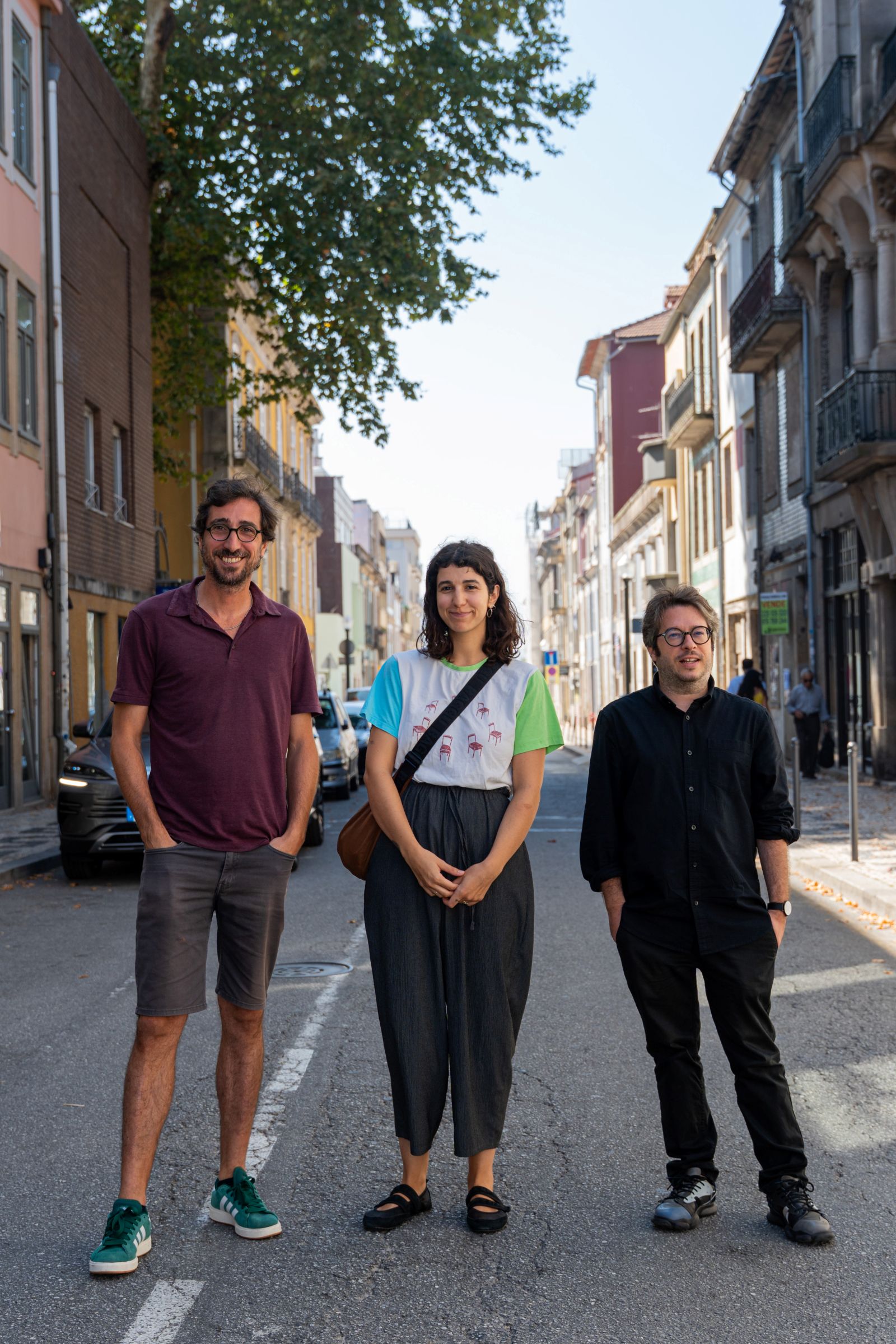
Episode 2 — New Generations, Old Struggles: entrepreneurship in Bombarda today
The Bombarda Podcast is a series created by the Bombarda Digital team that gives a voice to those who make Quarteirão a true creative laboratory — between art, commerce, and community.
In the second episode of the Bombarda Podcast, we enter the universe of new entrepreneurs who are redefining what it means to have a creative business in Quarteirão. With Liliana Alves (Época) and Jorge Azevedo (Cave Bombarda), in a conversation moderated by André Ramos, co-founder of Scar ID, we explore how a new generation is joining forces, reinventing practices and keeping Bombarda's collaborative spirit alive.
Episode Details
Central theme: Contemporary entrepreneurship in Bombarda — collective, conscious and resilient.
Guests: Liliana Alves (Época), Jorge Azevedo (Cave Bombarda)
Moderator: André Ramos (Scar ID)
Key quotes
- ‘It's an evolution and a very beautiful identity that is created in many projects in this neighbourhood.’
- ‘There are customers who have become friends. There are very, very strong relationships that come from this open door and from people joining our project.’
- ‘I think it was a renunciation of study and a search for a daytime space, with simple food and where there could be an informal relationship with the people who brought this type of relationship.’
Why listen
Because Gerações Novas, Lutas Antigas shows the human and inspiring side of those who undertake with purpose. A realistic and affectionate portrait of Bombarda — made of collaboration, creativity, and a collective spirit that transforms challenges into opportunities.
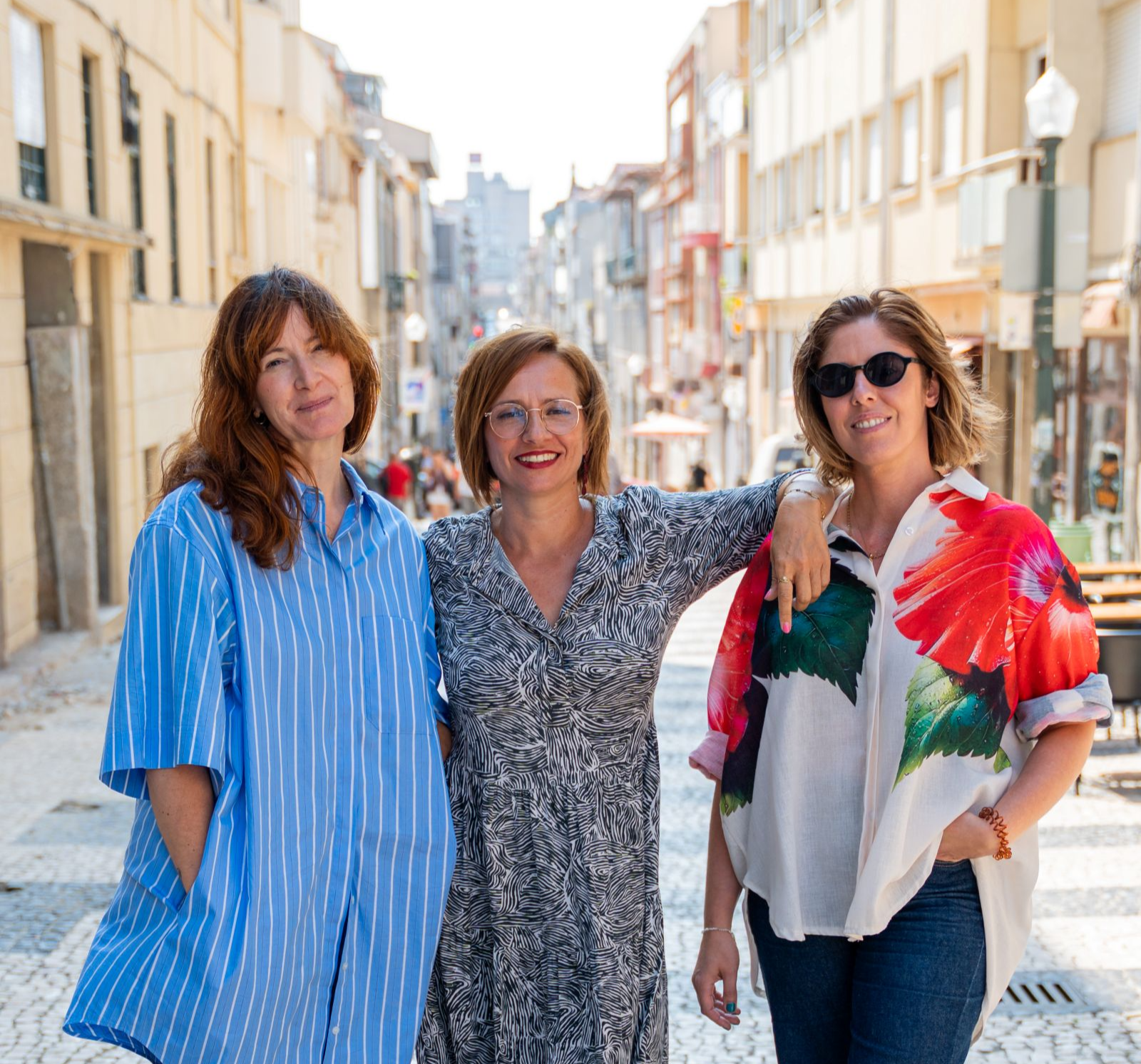
Episode 1 — An Invisible Shop: Behind the Scenes of Life in Bombarda
Welcome to the Bombarda Podcast — a series born out of the collective work of the Bombarda Digital team, continuing a movement that connects those who live, work, and visit the Bombarda neighbourhood.
In this episode, Ana Silva (Copo D’Uva) and Ema Ribeiro (Ó! Galeria) share with Dora Gonçalves, senior technician at the Municipal Trade Division of Porto City Council, what really happens behind the shop windows. Between conversations about stock management, seasonality, suppliers and digital channels, they reveal the less visible — and often more demanding — side of keeping a shop alive in a neighbourhood where commerce is also culture.
Episode Details
Central theme: The invisible work that sustains Bombarda's creative and commercial ecosystem.
Guests: Ana Silva (Copo D’Uva), Ema Ribeiro (Ó! Galeria)
Moderator: Dora Gonçalves (CMP)
Key quotes
- “After 40 or 50 years, we found two businesses from different generations in the same shop.”
- “I want to showcase as much as possible the work of illustrators and illustration that is being done around the world.”
- “When traders and shopkeepers come together, they form a close-knit community that is the soul of the Arts District.”
Why listen
Because Uma Loja Invisível reveals the beating heart of Bombarda — made up of dedication, strategy and creativity. An essential episode for anyone who loves the neighbourhood, supports local businesses or simply wants to understand what keeps the soul of cities alive.
Article Bombarda Maior
Bombarda Maior is a social innovation pilot project designed to address intergenerational inclusion in Bombarda. This initiative seeks to integrate senior residents – the elders – into the creative and commercial ecosystem of the neighbourhood, promoting meaningful participation through occupational involvement in local businesses and cultural spaces.
By enabling the elders to take on active roles in their community, whether through sharing skills, supporting small businesses or participating in guided activities, the Bombarda Maior project aims to bridge generational gaps, combat social isolation and strengthen neighbourhood ties.
Social isolation among the elderly is a growing challenge in Porto, particularly in areas undergoing gentrification, such as Quarteirão das Artes – Bombarda. The arrival of new businesses and residents has altered the dynamics of the neighbourhood, causing many elderly people to lose their familiar spaces, support networks and daily interactions. Recent data reveals that 24% of the population residing in the parish of Cedofeita is over 65 years old, making this one of the most aged areas in the city.
Disconnection from social and cultural circles affects quality of life and can lead to physical and mental health problems. Despite the existence of institutional programmes for the elderly, there are few initiatives directly aimed at the social reintegration of older people into their own community, respecting their autonomy and life experience.
Bombarda Maior is an innovative programme that aims to integrate autonomous older people into the commercial and cultural life of the Bombarda neighbourhood. The project allows participants to engage in meaningful activities and rebuild close ties with their neighbourhood, promoting social inclusion and combating isolation.
The approach combines short-term professional internships, interaction with local merchants, and community events that strengthen social cohesion.
Main elements of the programme
Short-term occupational internships: Integrate seniors into shops, galleries, and studios in the neighbourhood, where they provide light support (customer reception, logistics, small assemblies) and receive vouchers to use in local businesses, giving them a sense of purpose and belonging.
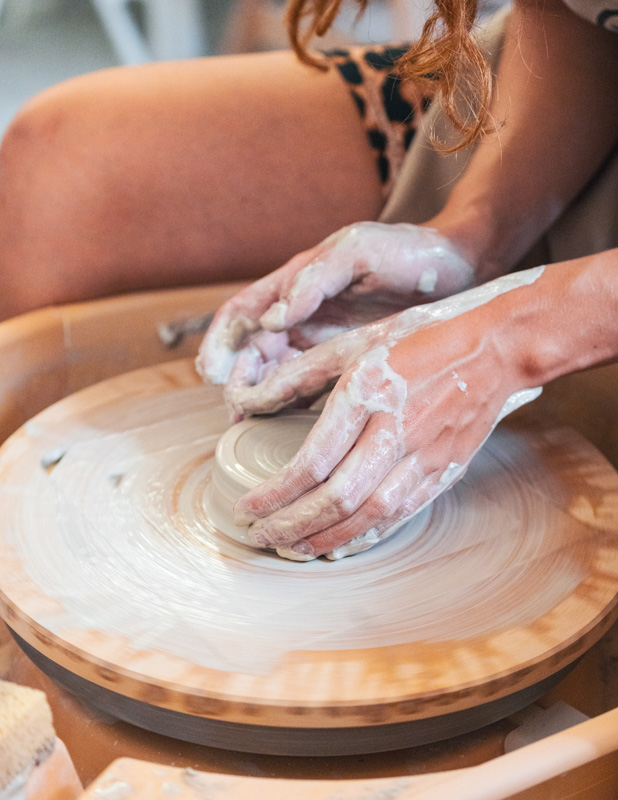
Workshops: Truly intergenerational knowledge-sharing sessions: older and younger people exchange everyday know-how and literally get their hands dirty in practical and collaborative activities, always with the greater goal of local development and social inclusion in Bombarda.
Events: Community gatherings that foster intergenerational interaction, celebrating the different phases of the programme and mobilising the entire neighbourhood towards a culture of care and social cooperation.
More information: https://quarteiraocriativo.pt/
Organisation and funding
The Bombarda Maior project is a pilot project under the Social Innovation Laboratory (Lab.IS) programme, promoted by the Porto Municipality Social Innovation Centre (CIS Porto) and funded by the PRR.
Keywords: Bombarda, Innovation, Social Innovation, Seniors, Programme, Internships, Free Time
Marina Costa: A Driving Force of Bombarda
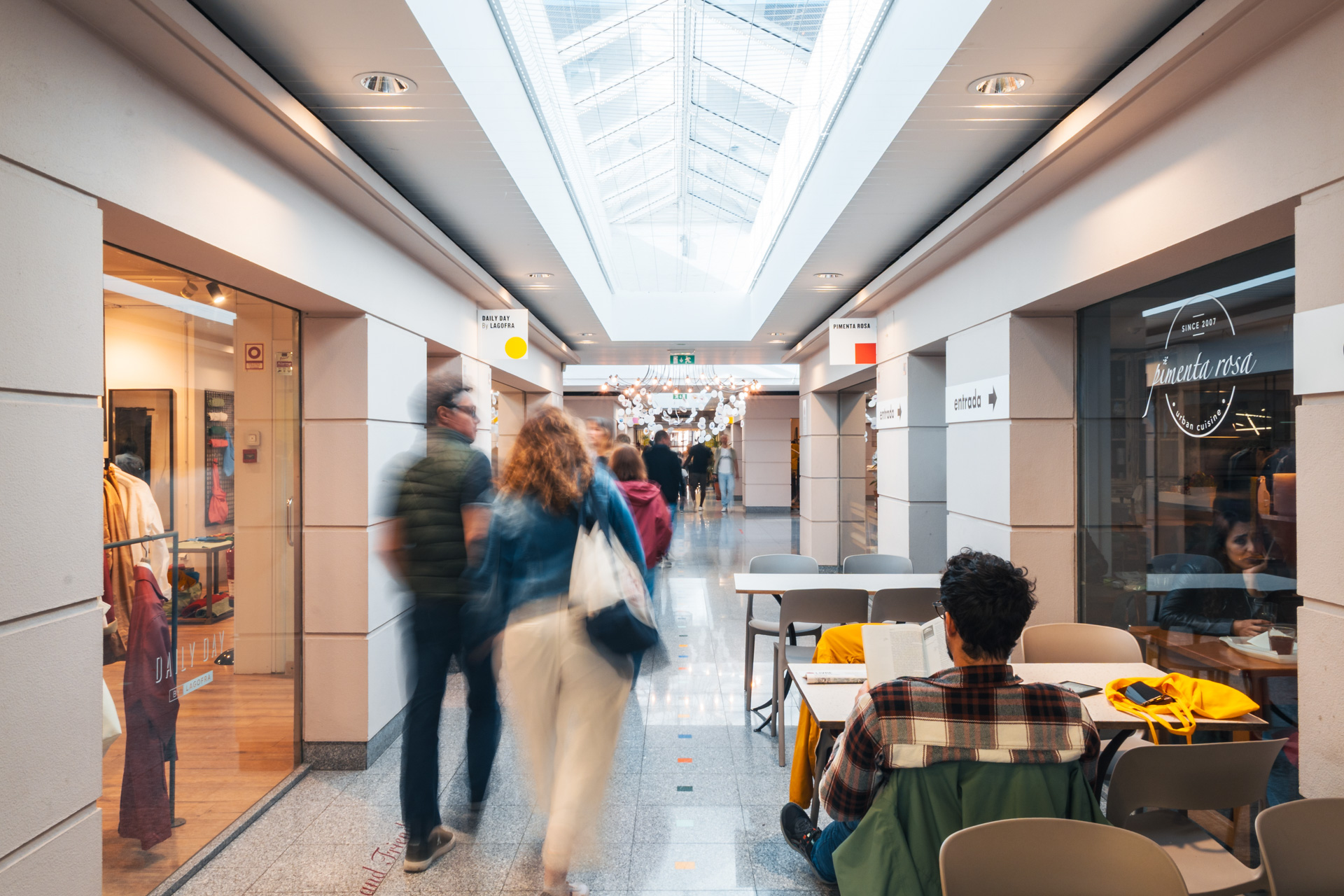
Marina Costa is one of the key names in the Miguel Bombarda Quarter. With a background in Graphic Design, she left the world of advertising to create spaces that blend art, commerce, and community. From her early projects — where design intersected with vintage items, poetry, reused objects, and original works — to the current Bombarda Shopping Center, her journey reflects a constant drive for renewal and a keen eye on the city.
A restless creator, passionate about circularity and reinvention, Marina has been one of the forces keeping Bombarda’s spirit alive: a place where creativity is the meeting point between makers and discoverers.
Creative Path and Identity
Q: Marina, how did your journey into the world of creation and independent commerce begin?
A: I studied Graphic Design, but I quickly realized that wasn’t my path. When the digital world took over the field, I no longer felt connected to it. I’ve always liked working with my hands — mixing materials, restoring old pieces, giving objects a new life. My father had a big store, Italusa, and that’s where I started: I opened my first shop, mixing vintage items, design, books, records, decor pieces, and art. It was a very eclectic space, and it reflected who I am — someone who likes to experiment and bring different worlds together.
The Artes em Partes Project
Q: Artes em Partes was one of the projects that marked the beginning of the creative movement in Bombarda. How did that idea come about?
A: A friend and I were looking for a space to create something different — she wanted to open a café, and I wanted to stay connected to vintage and art. We found an old building on Rua Miguel Bombarda and decided to go for it. In 1998, we opened Artes em Partes. The idea was simple: bring together people from different areas and create a space for meeting and sharing. Each room in the house hosted a different project — shops, galleries, workshops, music, visual arts. There was an incredible energy.
Q: And what was the main goal of the project?
A: We wanted to give space to those who didn’t have it. To welcome artists and independent creators, to experiment with new formats, and to show that commerce could also be a cultural act. Artes em Partes was a living space that inspired many people and helped shape the identity of Miguel Bombarda.
From Artes em Partes to the Bombarda Shopping Center
Q: What led you to create the Bombarda Shopping Center?
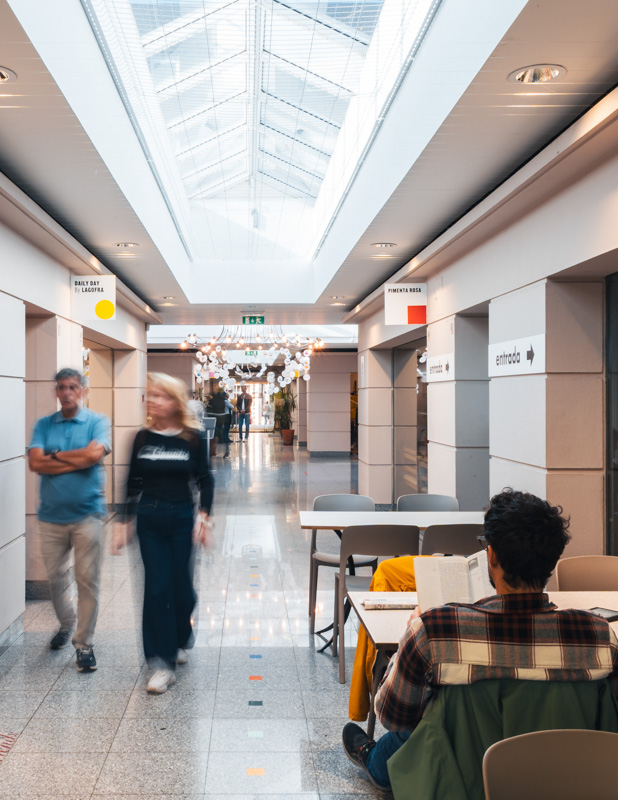
A: When Artes em Partes ended, I felt that spirit couldn’t just vanish. In 2010, the opportunity arose to take over the space where CCBombarda is today, and I decided to apply the same philosophy — but in a more organized way. I always envisioned this place as a commercial gallery — a space with light, soul, and unique projects. I never wanted to create a traditional shopping center.
Q: What kind of projects are you looking to host here?
A: Sustainable brands, artists, designers, and artisans who work with awareness and quality. I like projects with identity, that reuse materials, that tell a story. We also created Berdinho, a weekly organic market that brings local producers closer to the urban public. That’s what motivates me: bringing together people who believe in the value of well-made things.
Community and the Future
Q: You’re one of the founders of the Creative Quarter Association. What led you to create this structure?
A: It was the desire to join forces. I’ve been part of several attempts at forming associations on this street, but this one is different. The Creative Quarter Association was born to give a voice to everyone who’s part of this ecosystem — artists, shopkeepers, gallery owners. We want to build bridges, improve the street, and develop projects that involve the whole community.
Q: Which projects would you highlight at the moment?
A: Bombarda Circular, Afinidades, and Bombarda Maior are examples of how we want to think about the city in a more sustainable and inclusive way. Bombarda Maior, for example, involves people over 60 in creative and local support activities. It’s a way to create bonds between generations and strengthen the sense of neighborhood.
Personal Dimension
Q: Outside of work, what inspires you?
A: I love jewelry-making, gardening, and construction. I have a house in Alentejo where I spend hours restoring old things. It’s something that calms me and connects me to material things. I think that’s where my love for circularity comes from — the idea that everything can be reused, transformed, and reimagined.
Q: And if you had to sum up Bombarda in one word?
A: Growth. Because this neighborhood is always transforming — just like the people who shape it.
Over the past few decades, Marina Costa has transformed ideas into places and places into communities. From Artes em Partes to CCBombarda, her vision has helped shape the creative and independent character of the quarter. In every project, one constant remains: the belief that when art and commerce meet, they can create something greater — a living space, with identity, and full of future.