Marina Costa is one of the key names in the Miguel Bombarda Quarter. With a background in Graphic Design, she left the world of advertising to create spaces that blend art, commerce, and community. From her early projects — where design intersected with vintage items, poetry, reused objects, and original works — to the current Bombarda Shopping Center, her journey reflects a constant drive for renewal and a keen eye on the city.
A restless creator, passionate about circularity and reinvention, Marina has been one of the forces keeping Bombarda’s spirit alive: a place where creativity is the meeting point between makers and discoverers.
Creative Path and Identity
Q: Marina, how did your journey into the world of creation and independent commerce begin?
A: I studied Graphic Design, but I quickly realized that wasn’t my path. When the digital world took over the field, I no longer felt connected to it. I’ve always liked working with my hands — mixing materials, restoring old pieces, giving objects a new life. My father had a big store, Italusa, and that’s where I started: I opened my first shop, mixing vintage items, design, books, records, decor pieces, and art. It was a very eclectic space, and it reflected who I am — someone who likes to experiment and bring different worlds together.
The Artes em Partes Project
Q: Artes em Partes was one of the projects that marked the beginning of the creative movement in Bombarda. How did that idea come about?
A: A friend and I were looking for a space to create something different — she wanted to open a café, and I wanted to stay connected to vintage and art. We found an old building on Rua Miguel Bombarda and decided to go for it. In 1998, we opened Artes em Partes. The idea was simple: bring together people from different areas and create a space for meeting and sharing. Each room in the house hosted a different project — shops, galleries, workshops, music, visual arts. There was an incredible energy.
Q: And what was the main goal of the project?
A: We wanted to give space to those who didn’t have it. To welcome artists and independent creators, to experiment with new formats, and to show that commerce could also be a cultural act. Artes em Partes was a living space that inspired many people and helped shape the identity of Miguel Bombarda.
From Artes em Partes to the Bombarda Shopping Center
Q: What led you to create the Bombarda Shopping Center?
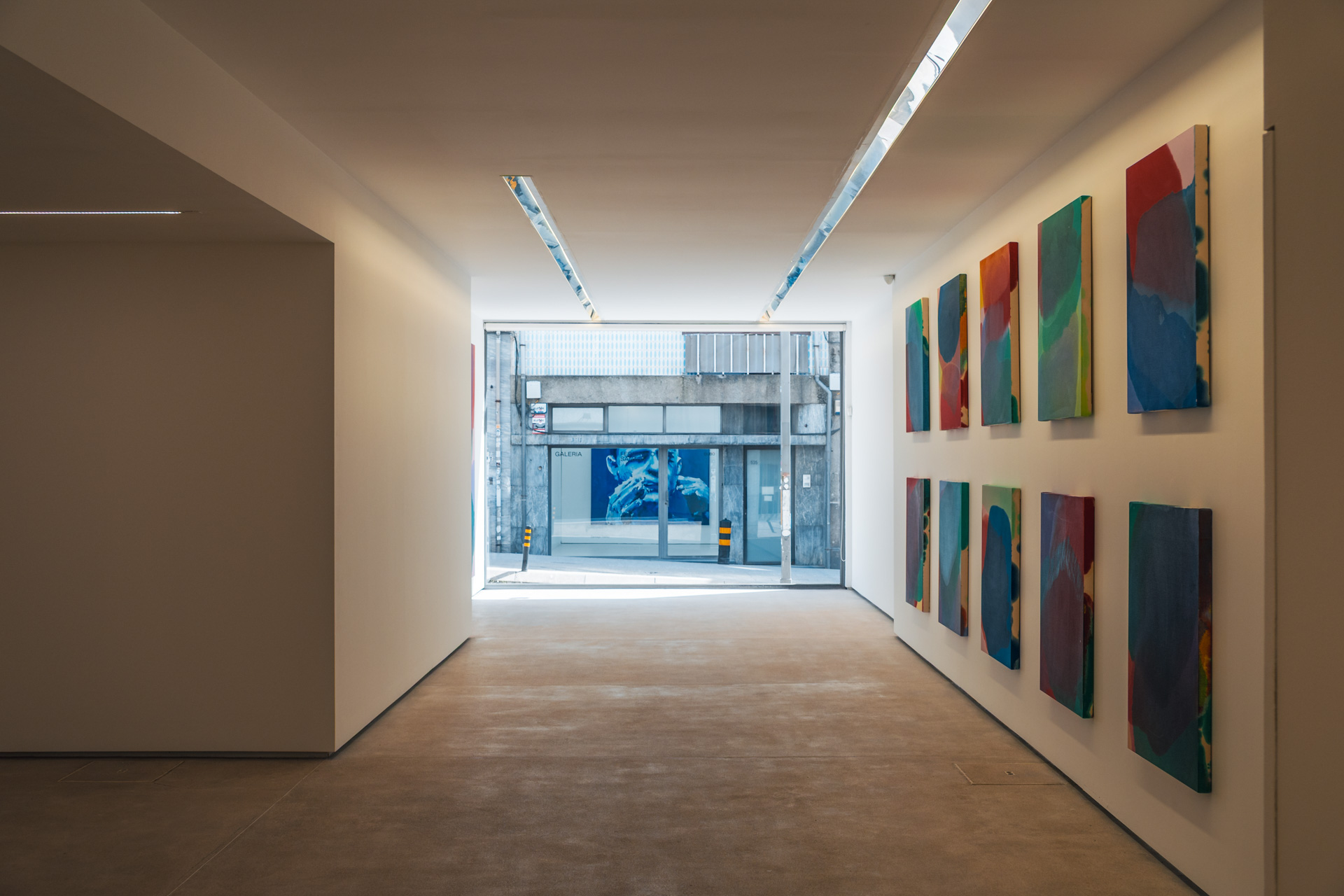
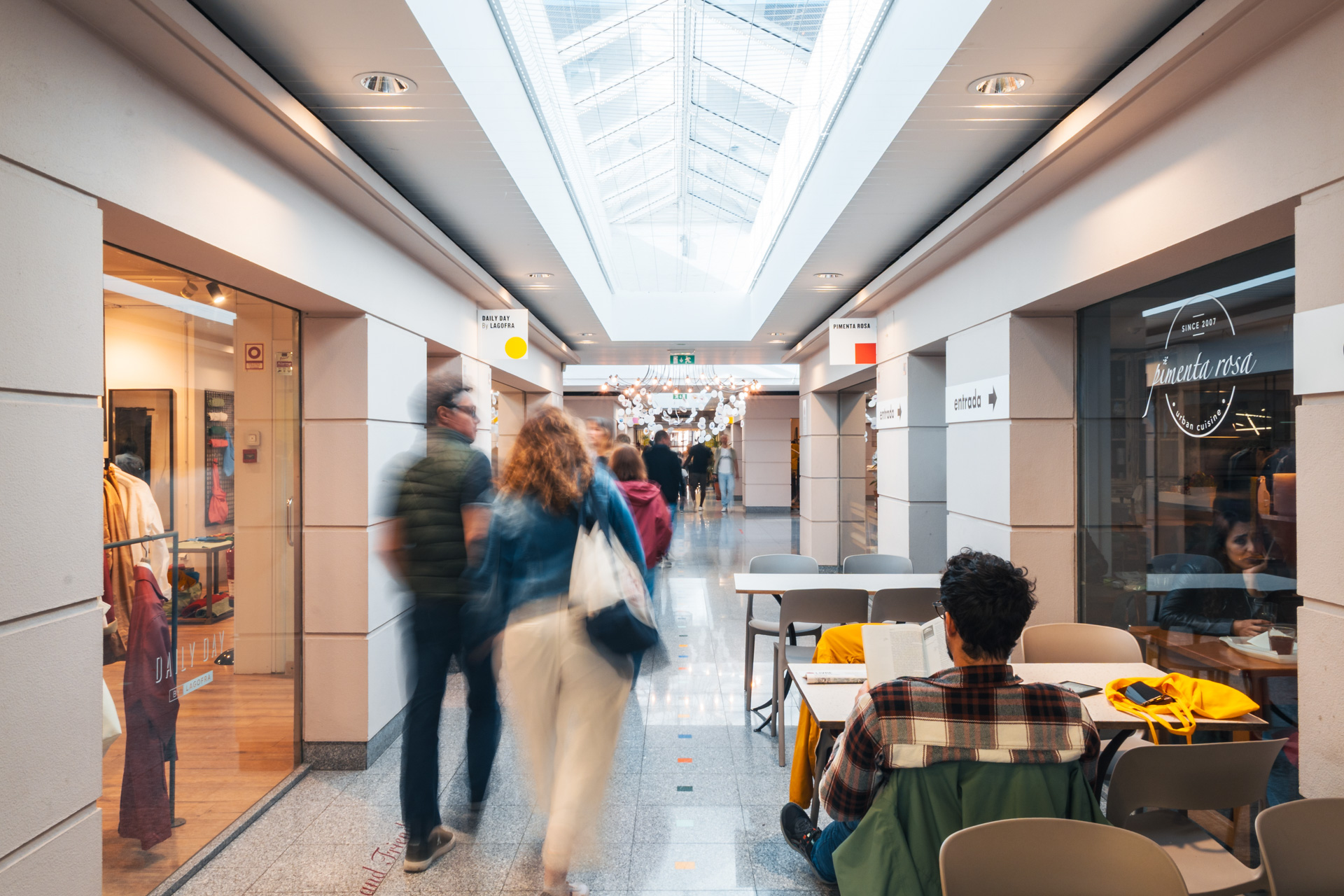
A: When Artes em Partes ended, I felt that spirit couldn’t just vanish. In 2010, the opportunity arose to take over the space where CCBombarda is today, and I decided to apply the same philosophy — but in a more organized way. I always envisioned this place as a commercial gallery — a space with light, soul, and unique projects. I never wanted to create a traditional shopping center.
Q: What kind of projects are you looking to host here?
A: Sustainable brands, artists, designers, and artisans who work with awareness and quality. I like projects with identity, that reuse materials, that tell a story. We also created Berdinho, a weekly organic market that brings local producers closer to the urban public. That’s what motivates me: bringing together people who believe in the value of well-made things.
Community and the Future
Q: You’re one of the founders of the Creative Quarter Association. What led you to create this structure?
A: It was the desire to join forces. I’ve been part of several attempts at forming associations on this street, but this one is different. The Creative Quarter Association was born to give a voice to everyone who’s part of this ecosystem — artists, shopkeepers, gallery owners. We want to build bridges, improve the street, and develop projects that involve the whole community.
Q: Which projects would you highlight at the moment?
A: Bombarda Circular, Afinidades, and Bombarda Maior are examples of how we want to think about the city in a more sustainable and inclusive way. Bombarda Maior, for example, involves people over 60 in creative and local support activities. It’s a way to create bonds between generations and strengthen the sense of neighborhood.
Personal Dimension
Q: Outside of work, what inspires you?
A: I love jewelry-making, gardening, and construction. I have a house in Alentejo where I spend hours restoring old things. It’s something that calms me and connects me to material things. I think that’s where my love for circularity comes from — the idea that everything can be reused, transformed, and reimagined.
Q: And if you had to sum up Bombarda in one word?
A: Growth. Because this neighborhood is always transforming — just like the people who shape it.
Over the past few decades, Marina Costa has transformed ideas into places and places into communities. From Artes em Partes to CCBombarda, her vision has helped shape the creative and independent character of the quarter. In every project, one constant remains: the belief that when art and commerce meet, they can create something greater — a living space, with identity, and full of future.